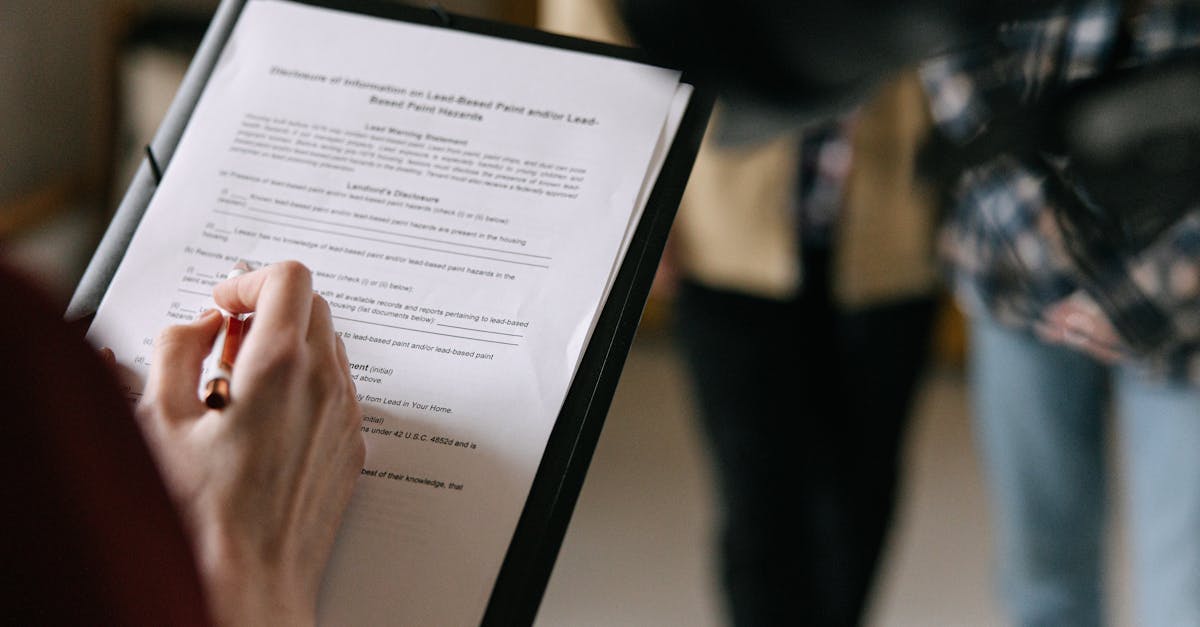
At Austin Tenant Advisors, our Commercial Lease Negotiation service is designed to empower tenants in securing the best possible terms for their commercial leases. We leverage our extensive market knowledge and expertise to advocate on behalf of our clients, carefully analyzing their needs and objectives to tailor negotiation strategies that align with their business goals. Our team of skilled negotiators works diligently to navigate the complexities of lease agreements, ensuring that our clients achieve favorable lease terms, minimize costs, and protect their interests. With a focus on clear communication and transparent processes, we strive to create lasting partnerships with our clients, enabling them to thrive in Austin's competitive commercial real estate landscape.
Strategies for Successful Negotiation
Preparation is key when entering a negotiation for a commercial lease. Start by conducting thorough market research. Understand the local rental rates and trends, as well as the specific terms offered in similar leases. This information provides a solid foundation for your negotiation stance. Knowing what comparable properties command will empower you to assess whether the initial offer is reasonable or inflated. Establish clear objectives for the negotiation, including essential terms, budget constraints, and desired outcomes. Having defined goals helps track progress and strengthens your position during discussions.
Effective communication remains crucial throughout the negotiation process. Articulate your needs clearly and listen actively to the landlord's concerns. This approach fosters a collaborative atmosphere that can lead to more satisfactory outcomes for both parties. Utilize strategic questioning to gain insight into the landlord’s motivations. Understanding their priorities may reveal areas for potential compromise. Maintaining professionalism and patience can also significantly influence the tone of negotiations. Building rapport with the landlord or their representative creates a better environment for discussions, facilitating smoother negotiations and a more agreeable lease agreement.
Techniques to Enhance Your Bargaining Power
Research is essential for establishing a strong negotiating position. Knowing the local market conditions, comparable properties, and current lease rates provides valuable insights. Leverage this information to justify your stance during discussions. Gather data on supply and demand trends within the area to support arguments and enhance credibility. Being well-informed increases your confidence, allowing you to advocate more effectively for desired terms.
Building rapport with the landlord or property manager can significantly influence negotiations. Establishing a positive relationship creates an atmosphere of trust. Engage in open dialogues to express your needs while also considering their perspective. Highlighting common interests can lead to mutually beneficial outcomes. Demonstrating flexibility on less critical points may encourage the landlord to accommodate more significant requests, further strengthening your overall position.
Role of a Commercial Real Estate Broker
A commercial real estate broker plays a crucial role in the lease negotiation process, acting as a liaison between landlords and tenants. Their expertise allows them to navigate the complexities of commercial leases, ensuring that clients understand the terms and conditions outlined in the agreement. Brokers possess in-depth knowledge of the local market, which enables them to provide valuable insights into pricing trends and property values. This information aids tenants in making informed decisions and helps landlords secure favorable terms.
In addition to providing market expertise, brokers also facilitate effective communication between both parties. They can advocate for the client's interests while maintaining a professional rapport with the other side. This balance is essential in fostering a cooperative negotiation environment. Furthermore, a broker can assist in drafting the lease agreement to include specific clauses that protect the client's rights, contributing to a smoother transaction overall. Their involvement often results in a more equitable lease, reducing potential conflicts down the line.
How Professionals Facilitate Lease Negotiations
Navigating the complexities of lease negotiations can be challenging for business owners. Commercial real estate brokers bring expertise to the table, ensuring that clients comprehend both the market dynamics and the specific terms of the lease. They conduct thorough market research, comparing similar properties to provide clients with data-driven insights and realistic expectations. Their knowledge not only helps in securing favorable terms but also in identifying potential deal-breakers early in the negotiation process.
Experienced brokers also serve as intermediaries between landlords and tenants, facilitating communication and ensuring that both parties articulate their needs and concerns effectively. They are skilled negotiators who can advocate on behalf of their clients, using their industry relationships to create opportunities for compromise. This professional guidance alleviates the stress often associated with lease negotiations, allowing clients to make informed decisions while maintaining focus on their core business objectives.
Legal Considerations in Lease Negotiation
Understanding the legal landscape surrounding commercial leases is crucial for both landlords and tenants. Parties should familiarize themselves with relevant local, state, and federal regulations that may impact lease terms. This includes zoning laws, building codes, and any restrictions related to the property. Moreover, both parties must consider how these regulations affect their potential use and occupancy of the space.
Reviewing lease agreements requires careful attention to detail. Key components like rent, security deposits, maintenance responsibilities, and termination clauses should be thoroughly examined. Any ambiguities in the lease could lead to disputes, so clarity is essential. It is advisable to consult legal professionals when drafting or negotiating a lease to ensure compliance and protection of rights, reducing the risk of future complications.
Understanding Your Rights and Obligations
Familiarizing yourself with your rights and obligations within a commercial lease is crucial for effective negotiation. As a tenant, you generally have the right to reasonable use of the property, security of tenure, and protection against unfair lease terms. It's essential to carefully review the lease agreement to identify clauses related to rent increases, maintenance responsibilities, and renewal options. Being informed about these rights ensures you can advocate for yourself in discussions and helps clarify expectations with the landlord.
Obligations typically include timely payment of rent and maintenance of the premises in good condition. Tenants often have responsibilities concerning alterations made to the space, compliance with local laws, and adherence to any rules stipulated by the landlord. Understanding these obligations can prevent disputes and ensure a smoother leasing experience. This knowledge also empowers tenants to address issues proactively, leading to a more balanced and transparent negotiation process with landlords.
FAQS
What are the key strategies for successful commercial lease negotiation?
Key strategies include thorough research on market rates, understanding your needs, being flexible, and developing a strong negotiation plan.
How can I enhance my bargaining power during lease negotiations?
You can enhance your bargaining power by gathering market data, having alternative options, focusing on your strengths as a tenant, and establishing a good rapport with the landlord.
What is the role of a commercial real estate broker in lease negotiations?
A commercial real estate broker acts as an intermediary between the tenant and landlord, providing expertise, market knowledge, and negotiation skills to achieve favorable lease terms.
How do professionals facilitate lease negotiations?
Professionals facilitate lease negotiations by analyzing the needs of both parties, providing strategic advice, drafting and reviewing lease agreements, and ensuring compliance with legal requirements.
What legal considerations should I be aware of in lease negotiations?
You should be aware of your rights and obligations under the lease agreement, local zoning laws, potential liabilities, and any clauses that might impact your use of the property or future renewals.