Table Of Contents
Evaluating the Offer
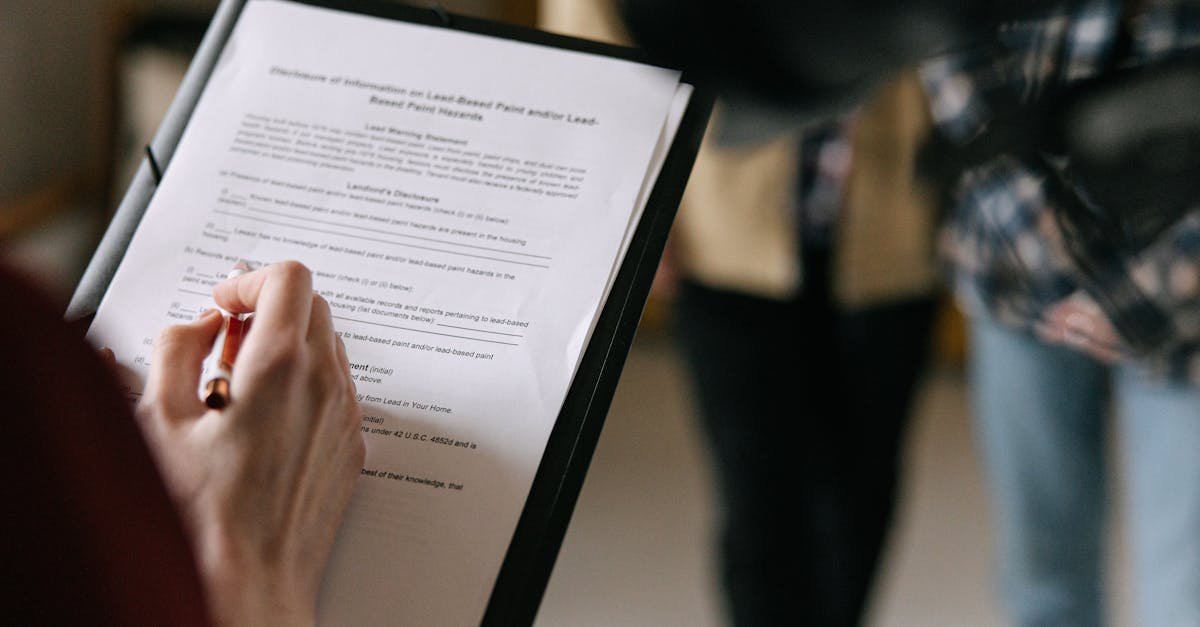
Evaluating the offer is a crucial step in the commercial lease negotiation process. Understanding the terms and conditions outlined in the lease agreement is essential for gauging whether the proposal aligns with your business objectives. Pay close attention to the layout of costs, including base rent, escalation clauses, and any additional expenses such as property taxes and maintenance fees. These factors will influence not only your budget but also the long-term viability of your business operations in that location.
During this assessment, consider the overall market conditions. In a competitive market, it may be necessary to weigh the benefits of securing a desirable location against the financial implications of the lease. Research other available spaces and their rental rates to gain leverage in your discussions. This background significantly enhances your position, especially if you can present a well-supported case during commercial lease negotiation in such an environment.
Analyzing Lease Provisions and Costs
When engaging in commercial lease negotiation in a competitive market, careful analysis of lease provisions and associated costs becomes critical. Tenants should meticulously review the terms outlined in the lease, focusing on critical elements such as rent escalations, maintenance responsibilities, and restrictions on usage. Understanding these aspects can help identify potential pitfalls that may impact the overall financial viability of the lease. It is also essential to account for any additional fees, such as property taxes, insurance, and common area maintenance (CAM) charges, which can significantly influence the total cost.
A thorough breakdown of these costs can reveal opportunities for negotiation. Tenants may find that some charges are negotiable or that alternative arrangements could be proposed to reduce expenses. Additionally, consideration of the lease's duration and renewal terms can provide leverage during negotiations. By arming oneself with this knowledge and focusing on a clear understanding of the financial implications, tenants can approach commercial lease negotiation in a competitive market with greater confidence and clarity.
Seeking Professional Assistance
Navigating the complexities of a commercial lease can be challenging, especially in a competitive market. Seeking professional assistance is often essential for achieving favorable terms. Engaging experts can provide valuable insights into the local market, helping you determine fair pricing and understand the nuances of various lease provisions. A seasoned professional can identify potential pitfalls that may not be evident and offer strategies tailored to your specific needs.
Hiring a commercial realtor or lease advisor can streamline the negotiation process significantly. These professionals possess extensive experience in commercial lease negotiation in different environments. Their understanding of negotiation tactics and familiarity with property owners can bolster your position and enhance the chances of obtaining advantageous terms. With expert guidance, you can approach the negotiation process with confidence and clarity, ensuring that your interests are effectively represented.
Benefits of Hiring a Commercial Realtor
Engaging a commercial realtor can significantly streamline the process of Commercial Lease Negotiation in a competitive market. These professionals possess extensive knowledge of local market trends and property values, which allows them to provide valuable insights that can impact your decision-making. By leveraging their expertise, tenants can avoid common pitfalls and gain access to properties that may not be advertised widely, increasing the likelihood of finding a suitable space.
Additionally, a commercial realtor acts as an advocate during negotiations. They are skilled negotiators who understand the nuances of lease terms and pricing strategies. Their familiarity with typical lease provisions enables them to identify areas where concessions can be made on behalf of the tenant. This support not only saves time but also ensures that you are positioned to secure the best possible deal.
Preparing for Negotiation
Preparing for negotiation is essential in ensuring a successful outcome. Having a clear understanding of your needs and priorities will give you a strong foundation. Outline your non-negotiables and areas where you can be flexible. This clarity is vital during Commercial Lease Negotiation in a competitive market, as landlords are often keen on securing tenants quickly. Knowing what is essential to your business strengthens your negotiating position and allows you to make informed decisions.
Gathering the necessary documentation will also play a significant role in your negotiation efforts. Current financial statements, business plans, and any previous lease agreements should be readily accessible. These documents provide credibility and demonstrate your seriousness as a tenant. Being prepared with this information can facilitate discussions and show potential landlords that you are a responsible and viable candidate. Clarity and preparedness can significantly impact Commercial Lease Negotiation in a competitive market.
Gathering Necessary Documentation
Before entering into Commercial Lease Negotiation in a competitive market, it's essential to gather all relevant documentation. This includes financial statements, tax returns, and any existing leases you may have. Having a clear picture of your financial standing not only helps you understand your budget but also positions you as a serious candidate for landlords. It is beneficial to have your business plan readily available, especially if you’re negotiating a space for a startup or expanding your operations.
Additionally, you should collect market research data that reflects current rental rates in the area. This information can help you articulate your needs and desires during negotiations. Understanding comparable properties will strengthen your ability to advocate for favorable terms. Ensuring you have comprehensive documentation equips you with the necessary tools to navigate Commercial Lease Negotiation in a way that highlights your preparedness and intention.
FAQS
What are the key factors to evaluate when reviewing a commercial lease offer?
Key factors include the overall cost, lease term length, renewal options, maintenance responsibilities, and any additional fees or clauses that may affect your business operations.
How can I analyze lease provisions effectively?
To analyze lease provisions, carefully read each section and compare them with industry standards. Look for any ambiguous language, unusual clauses, and ensure that all costs, including utilities and maintenance, are clearly defined.
Why should I consider hiring a commercial realtor for lease negotiation?
A commercial realtor has expertise in the market, can provide insights into comparable properties, negotiate on your behalf, and help you navigate complex lease terms, potentially saving you money in the long run.
What documentation should I prepare before entering lease negotiations?
Important documentation includes your business plan, financial statements, previous lease agreements, and any other relevant information that demonstrates your business's stability and needs.
How can I strengthen my negotiation position in a competitive market?
Strengthening your negotiation position involves thorough research on market trends, understanding your business's value, being flexible with terms, and presenting a clear rationale for any requests or changes you propose.